




Best Sensory Tables for Toddlers (2026): Tested by Parents
Best Sensory Tables for Toddlers (2026): Tested by Parents
Sensory play builds focus, fine motor skills, and creativity — but not every table is worth the counter space. We compared 5 of the most popular options so you don't have to.
We assessed each table on five criteria: material safety (BPA-free, ASTM compliance), play surface area, age range and adjustability, cleanup ease, and overall play value for open-ended independent play. ComfyBumpy's own sensory table is included because it ranks on all five — we've noted this transparently throughout.
A good sensory table gives toddlers something real to do with their hands. Pouring, scooping, mixing, building — the kind of focused, self-directed play that keeps a child engaged for 30 minutes straight while building skills they'll carry into school. The problem is most sensory tables are designed to look good in photos, not hold up to daily use.
We've put together this comparison based on the key factors that actually matter: safety certifications, surface area, whether it grows with your child, and how quickly you can clean it up before it takes over your living room.
Quick Comparison: All 5 Sensory Tables
| Product | Age Range | Height Adjustable | Play Surface | Safety | Rating |
|---|---|---|---|---|---|
| ComfyBumpy Sensory Table Top Pick | 2-6 years | Yes — multi-height | Large open basin | BPA-free, ASTM | ★★★★★ |
| Step2 Rain Showers Splash Pond | 18 months - 6 years | No | Dual levels, water-focused | BPA-free | ★★★★☆ |
| Little Tikes Sandy Lagoon Waterpark | 18 months - 5 years | No | Sand and water dual basin | BPA-free | ★★★★☆ |
| Learning Resources Sand & Water Table | 3-8 years | No | Dual basins, large | ASTM compliant | ★★★★☆ |
| Melissa & Doug Seaside Sidekicks Table | 3-6 years | No | Beach-themed basin | BPA-free | ★★★☆☆ |
Full Reviews
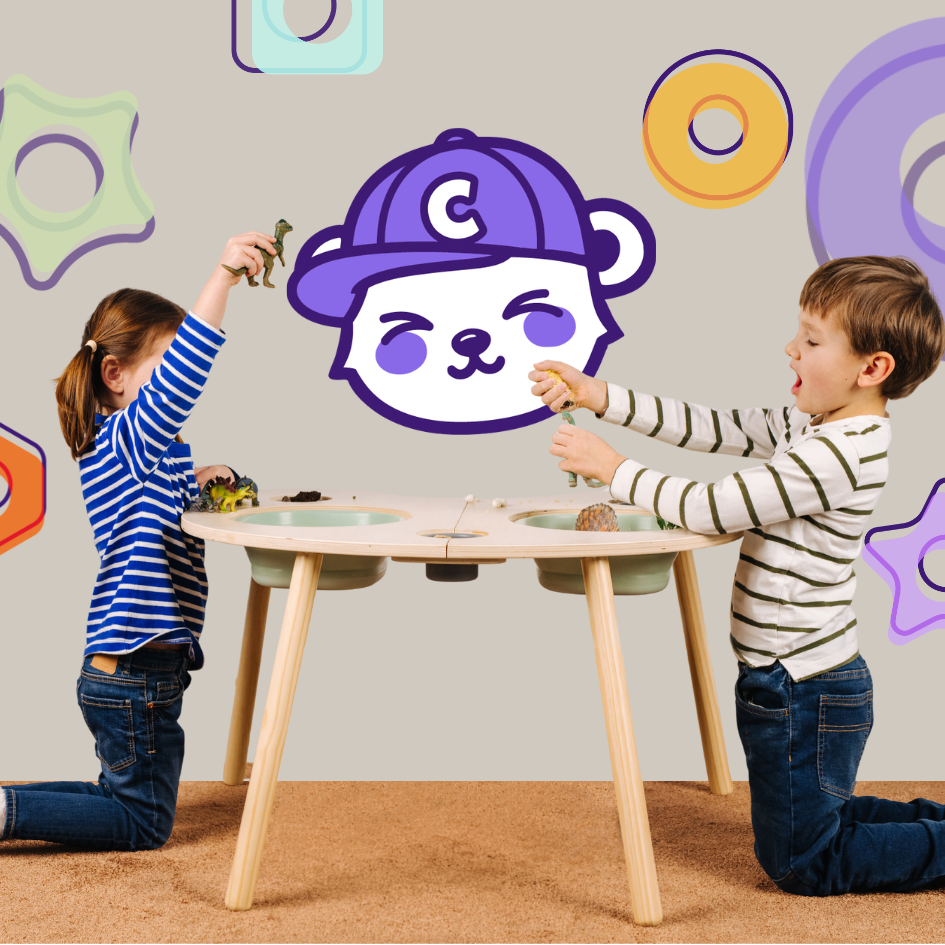
ComfyBumpy Sensory Table for Toddlers
Most sensory tables have a single fixed basin at a single fixed height. The ComfyBumpy Sensory Table was designed differently — with adjustable height settings that let the table grow with your child from early toddler years through age 6, and a large open basin built for genuine open-ended play rather than a themed toy set that loses its appeal after a week.
The design is clean and unfussy. There are no molded-in water wheels or fixed plastic accessories competing for basin space. That's intentional: open-ended sensory tables consistently produce longer, more focused independent play than themed ones because children can direct the activity themselves. The basin accommodates sand, water, kinetic sand, rice, dried pasta, foam, or whatever your child is currently obsessed with.
Cleanup is genuinely fast. The basin lifts out, drains completely, and wipes clean. For indoor use, the table contains mess well — no wandering sand trails across the carpet.
- ✓ Adjustable height grows with child to age 6
- ✓ Large open basin — no locked-in theme
- ✓ BPA-free, ASTM safety certified
- ✓ Works indoors and outdoors
- ✓ Fast cleanup — basin fully removable
- ✗ Higher price than basic plastic water tables
- ✗ Sensory fillers sold separately (not included)
Step2 Rain Showers Splash Pond Water Table
Step2 makes some of the most durable outdoor play equipment in this category. The Rain Showers Splash Pond features two water levels — an upper platform where water is poured and a lower catch basin. It's designed specifically for water play, so if your child's primary interest is pouring and splashing rather than dry sensory materials, this is a strong contender. Holds up to outdoor sun and rough handling well.
The fixed height is the main limitation. For families who want a table that works from 18 months through age 6, the fixed frame means your child will quickly outgrow the comfortable standing position.
- ✓ Two-level water play design
- ✓ Excellent outdoor durability
- ✓ Well-priced for the quality
- ✗ Fixed height — no adjustment
- ✗ Water only — poor for dry sensory materials
- ✗ Less suitable for indoor use
Little Tikes Sandy Lagoon Waterpark Play Table
Little Tikes is a household name for a reason. The Sandy Lagoon Play Table offers both sand and water basins in one unit, which is great for children who want to mix their play materials (a natural instinct). The beach theme adds visual appeal. The built-in toys — scoops, molds — are well-made for the price point.
The trade-off is fixed height and the themed accessories take up basin space, limiting free-form play. Good for a starter sensory table but children typically outgrow the themed setup by age 4.
- ✓ Dual sand and water basins
- ✓ Accessories included
- ✓ Affordable entry price
- ✗ Fixed height
- ✗ Themed accessories limit open-ended play
- ✗ Shorter age range (to age 5)
Learning Resources Outdoor Sand & Water Table
Learning Resources makes classroom-quality products, and this table shows it. The large dual basins give older toddlers and preschoolers enough space to really spread out and build. ASTM compliant construction and a solid frame make it a good choice for heavier daily use. The higher age minimum (3 years) reflects its scale.
- ✓ Very large play surface area
- ✓ ASTM compliant, classroom-grade build
- ✓ Works through age 8
- ✗ Not suitable under age 3
- ✗ Fixed height, bulky footprint
- ✗ Primarily designed for outdoor/classroom use
Melissa & Doug Sunny Patch Seaside Sidekicks Sandy Lagoon
Melissa & Doug is a trusted toy brand and this table delivers good quality at a lower price. The beach theme is visually appealing to children and the construction is solid. Best suited for families who want a basic sand/water table without the investment of a premium model, or for a second outdoor table for seasonal use.
- ✓ Trusted brand, good quality for price
- ✓ Visually appealing beach design
- ✗ Fixed height
- ✗ Smaller basin limits play variety
- ✗ Themed design limits open-ended play
Why Sensory Play Matters: What the Research Says
The American Academy of Pediatrics consistently emphasizes that unstructured, hands-on play is essential for healthy development in early childhood. Sensory play specifically supports:
- → Fine motor development — scooping, pouring, and pinching strengthen the hand muscles used for writing and drawing
- → Language acquisition — sensory play gives children natural vocabulary to describe texture, temperature, weight, and volume
- → Scientific thinking — children naturally experiment with cause and effect (what happens when I pour water from height?)
- → Emotional regulation — the tactile experience of sand and water play has a calming, grounding effect for many children
What to Look for Before You Buy
1. Height adjustability
Toddlers grow fast. A table that can't adjust will be too short by age 4 or 5. Look for multi-level height settings so the table grows with your child and stays ergonomically comfortable for standing play.
2. Open-ended vs. themed design
Themed tables (beach sets, waterpark designs with built-in plastic features) provide novelty but constrain play. Open-ended tables with a clean basin let children direct the activity themselves, which sustains engagement longer and supports more developmental benefit.
3. Safety certifications
Look for BPA-free materials and ASTM F963 toy safety compliance at minimum. For tables used with very young toddlers, check for no small-part components that could present choking hazards.
4. Cleanup design
The most important practical question. Look for a drain plug, a removable basin, and smooth surfaces with no crevices that trap sand. A table you can clean in 5 minutes gets used daily; one that takes 20 minutes gets used on weekends.
5. Indoor vs. outdoor use
Consider where you'll actually use it. Many tables are designed for outdoor use and are too large or too difficult to clean for indoor spaces. A table designed for both gives you year-round use regardless of weather.
6. Sensory filler safety by age
Under 3: stick to water, sand, and kinetic sand. Ages 3 and up: dried pasta, rice, foam pellets, and water beads (with supervision) are appropriate. Always stay in the room with toddlers during sensory table play.
Frequently Asked Questions
What age is a sensory table appropriate for toddlers?
Most sensory tables are suitable from around 18 months, when toddlers begin exploratory play with materials like sand and water. The best tables are designed for ages 2 to 6, with adjustable heights that grow with the child.
What is the best material to put in a sensory table?
Safe, age-appropriate fillers include kinetic sand, water beads (age 3+), dried pasta, rice, water, dried lentils, and cloud dough. For children under 3, avoid small beads or pellets that present choking hazards. Sand and water are the safest starting points for young toddlers.
Are sensory tables worth it for toddler development?
Yes. Research in early childhood development consistently shows that sensory play supports fine motor development, language acquisition, scientific thinking, and emotional regulation. The American Academy of Pediatrics recommends unstructured, hands-on play as essential for healthy development in early childhood.
How do you clean a toddler sensory table?
Most sensory tables with plastic basins can be cleaned with warm soapy water and a soft brush. Look for tables with a drain plug for easy water changes. Remove all filler material before washing, and let dry completely before refilling to prevent mold.
Can a sensory table be used indoors?
Yes. Many sensory tables are designed for indoor use, especially those with enclosed basins that contain mess. Using a splash mat underneath helps. For water play specifically, choose a table with a tight-fitting drain plug and keep a towel nearby.
How long will a toddler play at a sensory table?
It depends heavily on the child and the filler material. New materials typically produce 20-45 minutes of focused independent play. With rotation — swapping in rice one week, kinetic sand the next — many families get 30+ minutes of independent engagement consistently from ages 2 through 5.
Our Pick: ComfyBumpy Sensory Table
The ComfyBumpy Sensory Table is the best-rounded option in this comparison for families looking for a table that works indoors, grows with their child, and supports genuine independent play from age 2 through 6. The open-ended basin design and adjustable height make it the pick we'd put in our own homes.
Shop the ComfyBumpy Sensory TableThis guide was written by the ComfyBumpy team. Third-party product details sourced from manufacturer listings, independent review sites, and verified parent reviews. ComfyBumpy's own product is included in this comparison and ranked based on the same criteria applied to all products. Prices and availability subject to change.

Leave a comment