




Montessori at Home: A Beginner's Guide for Parents
You've probably heard the word Montessori thrown around in parenting
circles. Maybe you've seen the beautiful wooden toys, the low shelves,
the carefully arranged play spaces. And maybe you've thought — that
looks amazing, but is it really achievable at home?
The answer is yes. And it's simpler than you think.
You don't need to overhaul your entire home or spend a fortune on
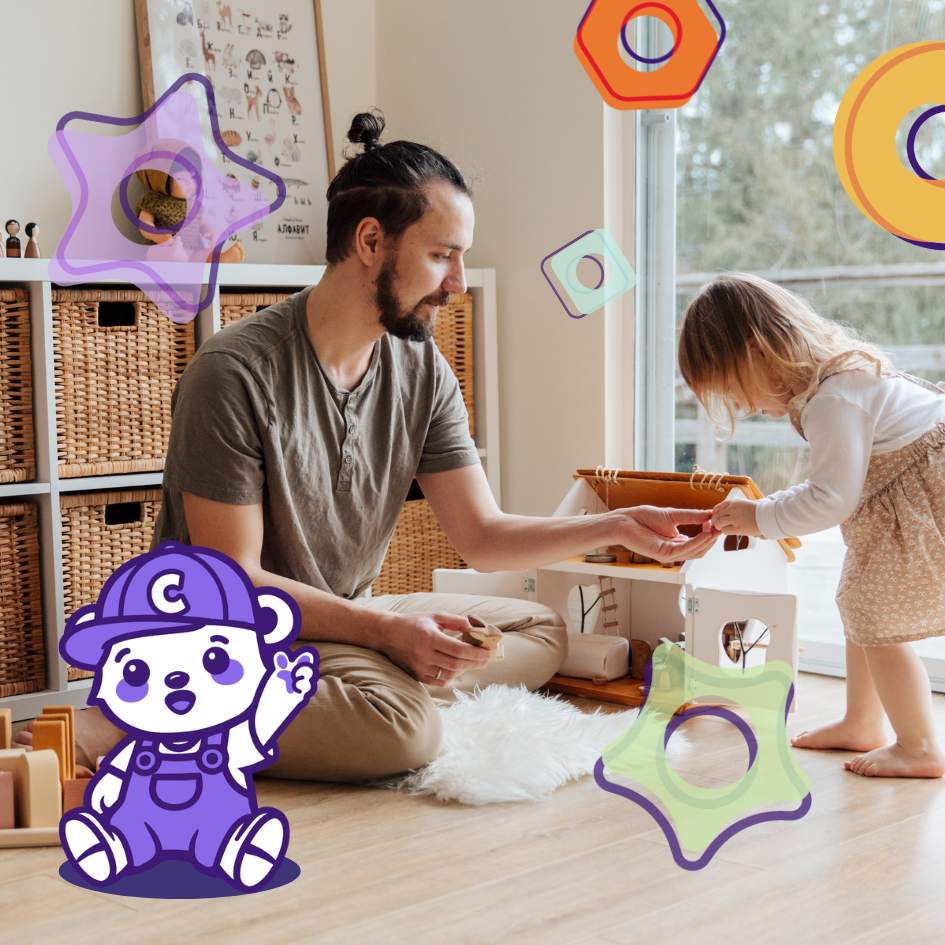
specialist equipment. Montessori at home is really just a philosophy
— a way of thinking about how you set up your child's environment
and how you interact with them during play and daily life.
Here's everything you need to get started.
What Is the Montessori Method?
The Montessori method was developed by Italian physician and educator
Maria Montessori in the early 1900s. At its core, it's based on one
simple idea: children learn best when they're free to explore their
environment independently, at their own pace, with materials that
match their developmental stage.
Rather than directing a child's learning, Montessori encourages
parents and educators to prepare the environment, then step back
and let the child lead.
The 5 Core Principles of Montessori at Home
1. Follow the child
Observe what your child is naturally drawn to and interested in.
Rather than directing their play, follow their lead. If they're
fascinated by pouring water, give them more opportunities to pour.
If they love climbing, create safe spaces for them to climb.
2. Prepare the environment
In Montessori, the environment does the teaching. This means
setting up your home so your child can access what they need
independently — low shelves they can reach, toys displayed
openly rather than buried in a toy box, and a play space that
invites exploration.
3. Use real, open-ended materials
Montessori favors natural materials — wood, fabric, metal —
over plastic toys with lights and sounds. Open-ended toys that
can be used in multiple ways are preferred over single-purpose
toys. The goal is to spark imagination, not replace it.
4. Allow uninterrupted work time
When a child is absorbed in an activity, resist the urge to
interrupt, correct, or praise. Let them finish. The ability to
sustain focus on a self-chosen task is one of the most valuable
things Montessori cultivates.
5. Foster independence
The Montessori motto is "help me do it myself." Rather than
doing things for your child, create opportunities for them to
do things independently — dressing themselves, pouring their
own water, tidying their own toys.
How to Set Up a Montessori-Inspired Space at Home
You don't need a dedicated playroom. A corner of the living room,
a section of their bedroom, or even a well-organised kitchen
cupboard can become a Montessori-inspired space.
Low, open shelving
Display a small selection of toys and activities on low shelves
your child can reach independently. Rotate them regularly —
fewer choices presented beautifully beats a overflowing toy box
every time.
A dedicated movement area
Montessori strongly values physical movement as part of learning.
Create a space where your child can move freely — climb, balance,
stretch, and build physical confidence on their own terms.
A Swedish ladder is one of the most classic Montessori movement
tools — it encourages climbing, hanging, and upper body development
in a structured, safe way. The ComfyBumpy Swedish Ladder with
Inserted Table doubles as a play surface, making it a genuinely
versatile addition to any Montessori-inspired home.
A sensory play station
Sensory play is central to Montessori learning. It develops
fine motor skills, concentration, and scientific thinking as
children explore cause and effect through hands-on materials.
A dedicated sensory table makes this kind of play easy to set
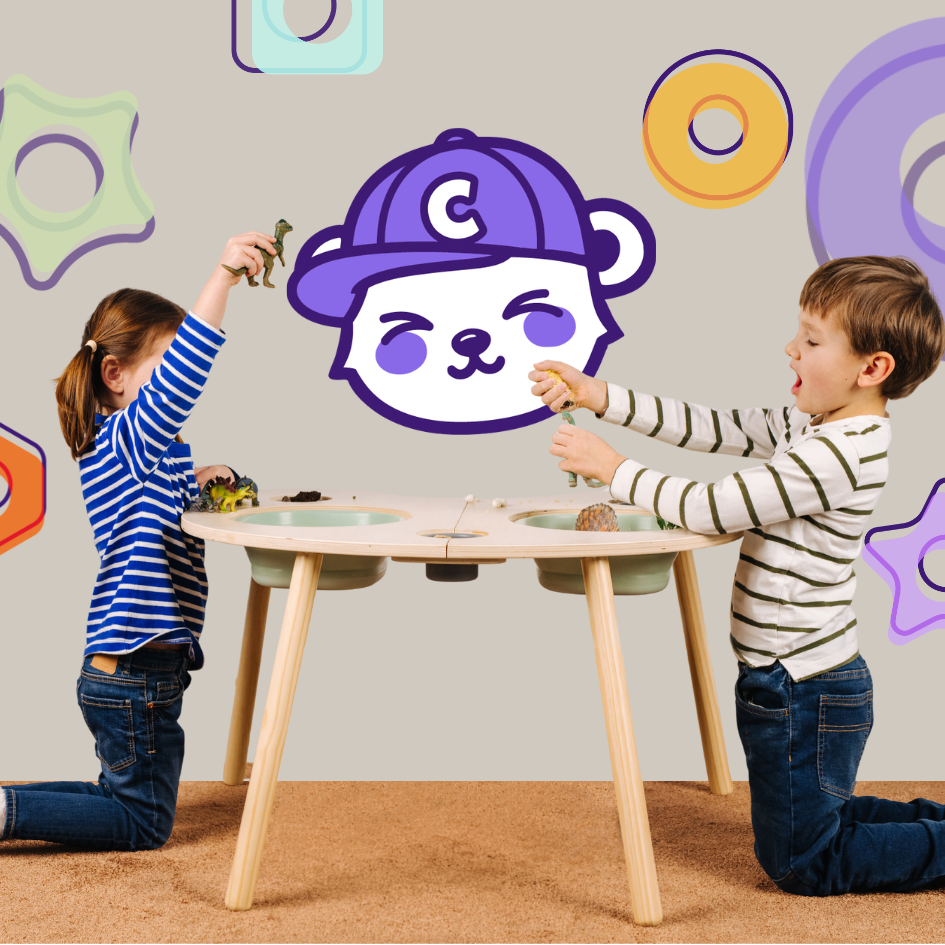
up and contain. The ComfyBumpy Sensory Table is open-ended by
design — fill it with whatever material matches your child's
current interest and let them explore freely. Sand, water,
rice, kinetic sand, foam — the possibilities are endless.
A reading nook
A small, cosy corner with a few books displayed face-out at
child height invites independent reading and quiet time. Keep
the selection small and rotate books regularly to maintain
interest.
Montessori-Friendly Toys to Start With
Not sure where to begin with toys? Here are the types of
materials that fit naturally into a Montessori approach:
- Sensory materials — sand, water, rice, kinetic sand,
natural loose parts
- Climbing and movement equipment — wall ladders, balance
boards, stepping stones
- Building materials — wooden blocks, stacking toys,
nesting cups
- Practical life tools — child-sized brooms, watering cans,
pouring sets
- Art materials — crayons, paint, clay, open-ended craft
supplies
The ComfyBumpy Wooden Stepping Stones are a great starting
point — they encourage balance, coordination, and creative
play as toddlers invent their own challenges and courses.
Common Montessori Myths — Busted
"Montessori is only for schools"
Not at all. The principles translate beautifully to the home
environment and are arguably most powerful in the early years
before formal schooling begins.
"It's expensive"
It doesn't have to be. Many Montessori activities use everyday
household items — dried pasta, kitchen utensils, fabric scraps.
The philosophy values simplicity over abundance.
"My child has to do everything independently"
Montessori isn't about leaving children to figure everything
out alone. It's about giving them the opportunity to try before
you step in — and stepping in warmly when they need you.
"It only works if you do it perfectly"
There's no perfect Montessori home. Even incorporating one or
two principles — following your child's lead, choosing
open-ended toys, allowing uninterrupted play time — makes a
meaningful difference.
Where to Start Tomorrow
If you're new to Montessori and feeling overwhelmed, here's
the simplest possible starting point:
Pick one shelf. Clear it off. Place three or four toys on it
that your child can access independently. Step back and see
what they gravitate toward.
That's it. That's Montessori at home.
Everything else — the movement area, the sensory station,
the reading nook — can come gradually as you find your rhythm.
The philosophy grows with you and your child.
Ready to build your Montessori-inspired play space? Explore
ComfyBumpy's range of open-ended, screen-free toys designed
to support independent play and real child development.

Leave a comment