




What Is Independent Play and Why Does It Matter for Your Toddler?
If you've ever watched your toddler happily entertain themselves for
twenty minutes with a set of blocks or a bowl of water — that's
independent play. And it's one of the most valuable things you can
nurture in your child.
But for many parents, encouraging independent play feels easier said
than done. Toddlers want you. They follow you from room to room, they
want you on the floor with them, and the moment you try to step away,
the protest begins.
Here's why independent play is worth persisting with — and how to
actually make it happen.
What Is Independent Play?
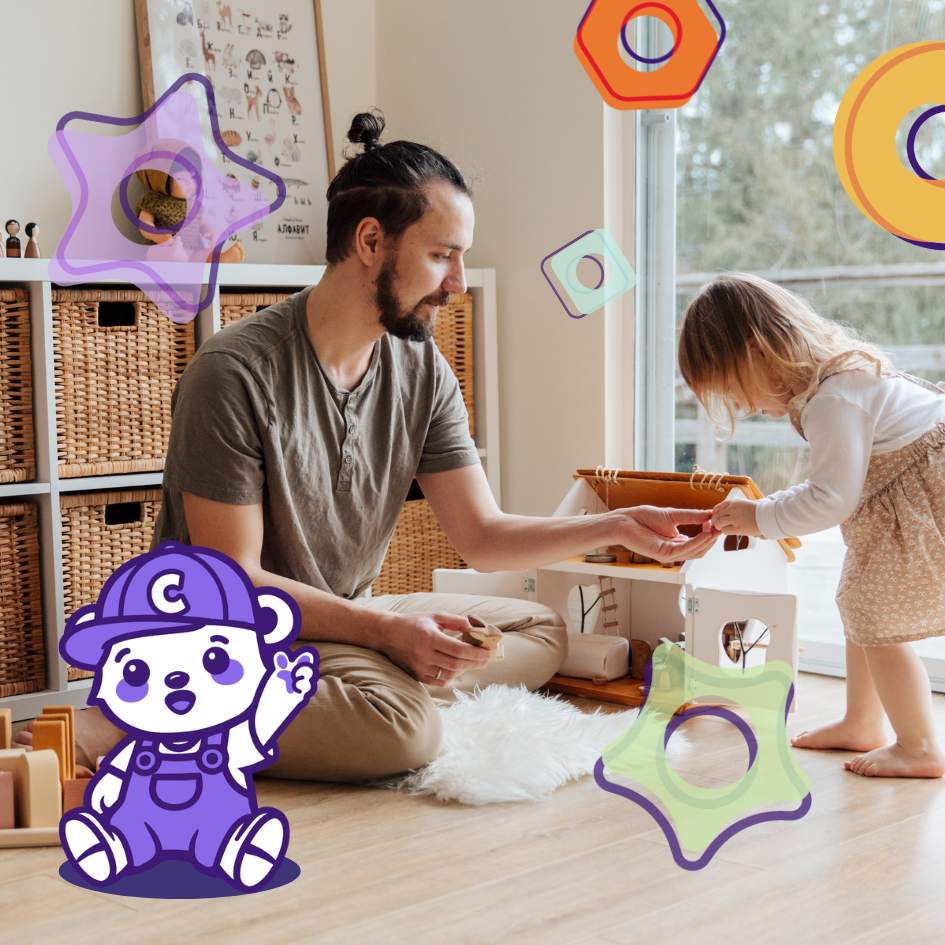
Independent play is when your child plays on their own, without
needing you to direct, entertain, or constantly engage with them.
It doesn't mean leaving them alone in the house — it means giving
them the space, time, and tools to explore and create on their own
terms, while you're nearby.
It looks different at every age. A 12-month-old might mouth and
stack simple objects. A 2-year-old might fill and pour at a sensory
table for half an hour. A 4-year-old might build an elaborate
imaginary world entirely in their own head.
Why Does Independent Play Matter?
Independent play isn't just convenient for parents — though it
certainly helps. It's genuinely one of the most important things
for your child's development.
It builds creativity and imagination
When children play without adult direction, they make their own
rules, invent their own scenarios, and solve their own problems.
This kind of open-ended thinking is the foundation of creativity.
It develops focus and concentration
A toddler who practices playing independently gets better at
sustaining attention — a skill that will serve them enormously
when they start school.
It builds confidence and resilience
Working through a challenge alone — figuring out why the tower
keeps falling, or how to get the water from one container to
another — builds a quiet confidence that they can handle things
on their own.
It reduces screen dependency
Children who are comfortable with independent play are far less
likely to need a screen to stay entertained. They've developed
their own internal resources for filling time.
It gives parents breathing room
Let's be honest — this matters too. A toddler who can play
independently for stretches of time gives you space to get
things done, decompress, or simply sit with a hot cup of coffee.
How to Encourage Independent Play
Start small
Don't expect a toddler who has never played independently to
suddenly entertain themselves for an hour. Start with 5 minutes.
Stay nearby, resist the urge to jump in, and gradually increase
the time as they build the skill.
Set up the environment before you step back
Independent play works best when the play space is already set up
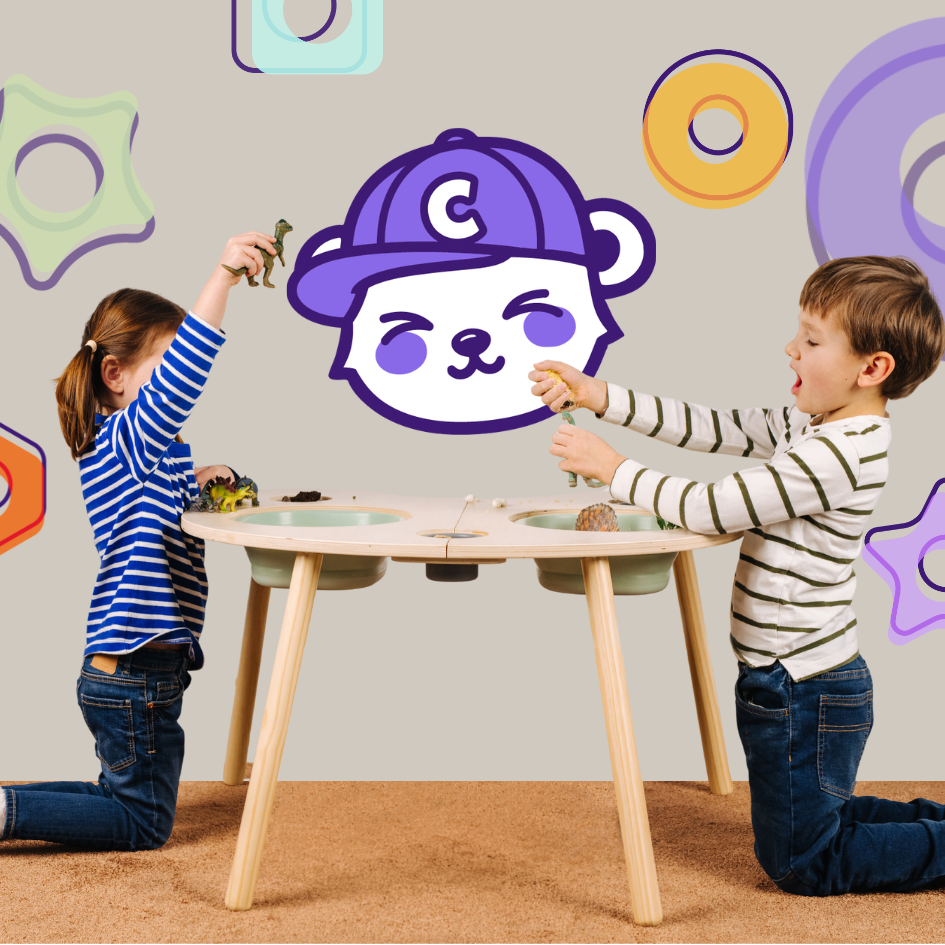
and inviting. A sensory table filled with rice, water beads, or
kinetic sand is perfect — it's open-ended, hands-on, and absorbing
enough to hold a toddler's attention without any input from you.
Choose open-ended toys
Toys with one right answer — press the button, get the sound —
don't encourage independent thinking. Open-ended toys like sensory
materials, building blocks, stepping stones, and climbing equipment
let your child decide what to do with them, which means they stay
engaged far longer.
Don't interrupt a playing child
This one is counterintuitive, but important. If your toddler is
absorbed in play, resist the urge to check in, comment, or offer
help. Every interruption resets their focus and makes it harder
for them to sustain attention independently.
Create a dedicated play space
A consistent, defined space for independent play helps toddlers
understand that this is their time and their zone. It doesn't need
to be a whole room — a corner of the living room works just as well.
What Are the Best Toys for Independent Play?
The best toys for independent play share a few things in common —
they're open-ended, sensory-rich, and don't require adult involvement
to be fun.
Some of our favorites:
Sensory tables are one of the most powerful independent play
tools available. Fill them with different materials — sand, water,
rice, foam — and a toddler can explore independently for extended
periods. The ComfyBumpy Sensory Table is designed specifically for
this kind of open-ended, screen-free play.
Climbing equipment channels physical energy into purposeful
movement — exactly the kind of independent play high-energy toddlers
need. The ComfyBumpy Indoor Rock Climbing Wall gives toddlers a
safe space to climb, challenge themselves, and build physical
confidence without needing you to direct the activity.
Balance and movement toys like wooden stepping stones encourage
toddlers to set their own challenges — how far can I jump? Can I
cross without falling? — building both physical skill and independent
problem-solving.
How Much Independent Play Is Normal?
A rough guide by age:
- 12–18 months: 5–10 minutes at a stretch
- 18 months–2 years: 10–20 minutes
- 2–3 years: 20–30 minutes
- 3–4 years: 30–45 minutes
These are averages. Some toddlers naturally take to independent play
earlier, others need more time to build the skill. Either is normal.
The Bottom Line
Independent play is a skill — not a personality trait. Some toddlers
take to it naturally, others need more encouragement and practice.
But every toddler can learn it, and the investment is absolutely
worth it for both their development and your sanity.
Set up the right environment, choose the right toys, and give them
the space to surprise you.
Leave a comment