




Sensory Bin Ideas for Toddlers — What to Put Inside and Why It Works
If you've ever set up a sensory bin for your toddler and watched them
disappear into it for thirty minutes straight, you already know the magic.
If you haven't tried it yet, you're about to discover one of the most
effective tools for independent, screen-free play there is.
The concept is simple. A container filled with materials your toddler can
scoop, pour, dig, and explore with their hands. No instructions. No right
way to do it. Just open-ended play that builds real skills while you get
a few minutes to breathe.
Here's everything you need to know about what to put inside a sensory bin
— and why each material actually works.
What Is a Sensory Bin?
A sensory bin is a shallow container filled with a base material and a
handful of simple tools or objects. Your toddler explores it independently,
using their hands to discover textures, practice fine motor skills, and
engage in imaginative play — all without needing you to direct them.
The beauty of sensory bins is that they're endlessly adaptable. Change the
filling, change the tools, change the theme — and it feels completely new
to your child every time.
The Best Sensory Bin Fillings by Age
For toddlers aged 18 months – 2 years
At this age, keep fillings large enough to avoid choking hazards and simple
enough to explore without frustration.
Water
The most accessible sensory material there is. Add a few cups and containers
and your toddler will pour, splash, and transfer water for as long as you
let them. Water play develops hand-eye coordination, teaches cause and effect,
and is genuinely calming for most toddlers.
Cooked pasta
Soft, safe, and endlessly squeezable. Cooked spaghetti or penne is a wonderful
first sensory bin filling for younger toddlers who are still mouthing objects.
Add a few spoons and let them go.
Oats
Dry oats are soft underfoot, easy to scoop, and safe if mouthed in small
amounts. A simple oat bin with a few measuring cups keeps a young toddler
absorbed for a surprisingly long time.
For toddlers aged 2 – 3 years
At this age, toddlers can handle smaller materials and are ready for more
complex themes and tools.
Rice
Dry rice is the classic sensory bin filling for good reason. It's cheap,
widely available, and produces a deeply satisfying sound and texture when
scooped and poured. Add food colouring to white rice for a visual upgrade
that costs almost nothing.
Kinetic sand
Kinetic sand holds its shape when compressed but flows like liquid when
released — a texture that toddlers find almost hypnotic. It's mess-contained,
reusable, and works beautifully in a dedicated sensory table where spillage
is easy to manage.
Cloud dough
Mix 8 parts flour with 1 part baby oil and you have cloud dough — a soft,
mouldable material that crumbles when pulled apart. It's sensorially rich,
smells pleasant, and keeps toddlers genuinely occupied while they squish,
mould, and explore.
Water beads
Tiny polymer beads that expand in water into satisfying, squishy spheres.
Water beads are visually beautiful and texturally fascinating for toddlers
who are past the mouthing stage. Always supervise carefully and store out
of reach when not in use.
For toddlers aged 3 – 4 years
Older toddlers are ready for themed bins, imaginative play scenarios, and
more complex fillings.
Sand
Play sand in a sensory bin opens up a huge range of play — digging,
building, hiding objects, creating landscapes. Pair it with small toy
animals or vehicles for imaginative play that can last an entire afternoon.
Dried beans or lentils
Larger than rice and deeply satisfying to scoop and pour. Dried beans are
ideal for themed bins — fill a green bin with lentils and add plastic frogs
for a pond scene, or use black beans with dinosaur figurines for a
prehistoric landscape.
Foam soap
Squirt a can of shaving foam or foam soap into a bin and watch your toddler's
face. It's messy, glorious, and absolutely captivating. Best done outside
or in the bath, but the engagement level is unmatched.
What Tools to Add
The filling is only half of the equation. The right tools turn a simple
sensory bin into an absorbing, skill-building activity.
Scooping and pouring tools
Measuring cups, ladles, spoons, and funnels develop fine motor skills and
hand-eye coordination. Varying the sizes teaches early concepts of volume
and comparison.
Containers of different sizes
Muffin tins, small bowls, and cups give toddlers something to fill,
transfer, and organise — all naturally satisfying activities that build
focus and concentration.
Tongs and tweezers
For toddlers aged 3 and above, tongs are excellent for fine motor
development. Picking up objects from a bin using tongs requires
concentration, coordination, and patience — all skills that translate
directly to school readiness.
Small figurines or vehicles
Adding toy animals, dinosaurs, or cars to a bin instantly creates a
narrative. Toddlers begin to build stories, worlds, and scenarios —
moving from sensory play into imaginative play without any prompting.
Letters and numbers
Hiding foam or plastic letters in a rice or sand bin and asking your
toddler to find specific ones is a low-pressure, high-engagement way
to introduce early literacy and numeracy.
How to Set Up a Sensory Bin That Lasts
A well-set-up sensory bin holds attention for far longer than one thrown
together quickly. A few principles that help:
Contain the mess deliberately
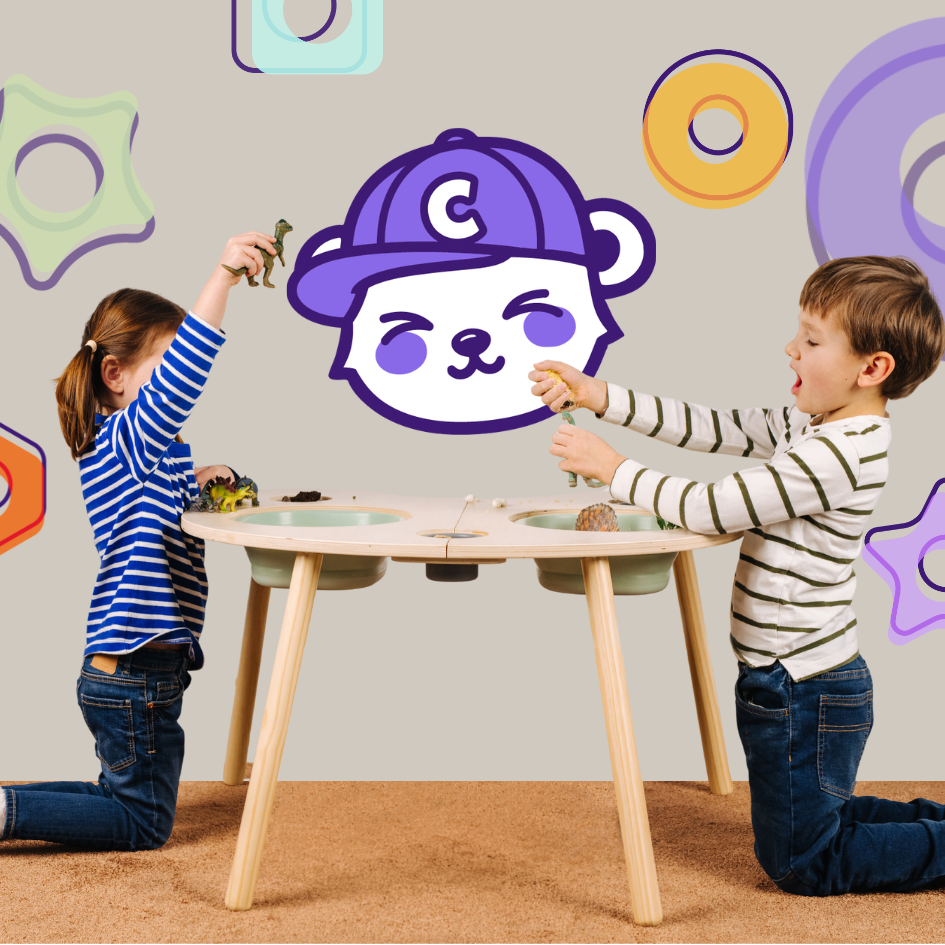
Place the bin on a large tray or use a dedicated sensory table with
built-in bins. A contained setup means less cleanup anxiety — for you
and for your toddler, who can play more freely knowing the boundaries
are clear.
Introduce the bin, then step back
Show your toddler what's inside, demonstrate one or two things they can
do with it, then step away. Toddlers who are given the space to explore
independently engage for far longer than those whose play is constantly
directed or interrupted.
Rotate fillings regularly
The same bin with a new filling feels like a completely new activity.
Keeping three or four fillings in rotation — and swapping them weekly
or fortnightly — maintains novelty without requiring you to constantly
create something new.
Store tools inside the bin
When the filling and tools are stored together in the same bin, setup
is a single step. That low-friction setup makes it far more likely that
sensory play becomes a consistent part of your toddler's daily routine.
A Note on Mess
The number one reason parents avoid sensory bins is the cleanup. It's
a valid concern — but a manageable one.
A dedicated sensory table with contained bins is the most effective
solution. The raised edges keep filling inside, spills are minimal,
and the table itself is easy to wipe down. For dry fillings like rice
or sand, a mat or tray underneath catches anything that escapes.
The goal isn't a spotless floor. It's a toddler who is genuinely,
independently absorbed in something that's building their brain. A
little mess is part of the deal — and completely worth it.
The Bottom Line
Sensory bins are one of the simplest, most effective tools for
supporting your toddler's development and encouraging genuine
independent play. The fillings don't need to be expensive, the
setup doesn't need to be elaborate, and the benefits — fine motor
skills, focus, creativity, emotional regulation — are substantial.
Start with rice and a few measuring cups. See what happens.
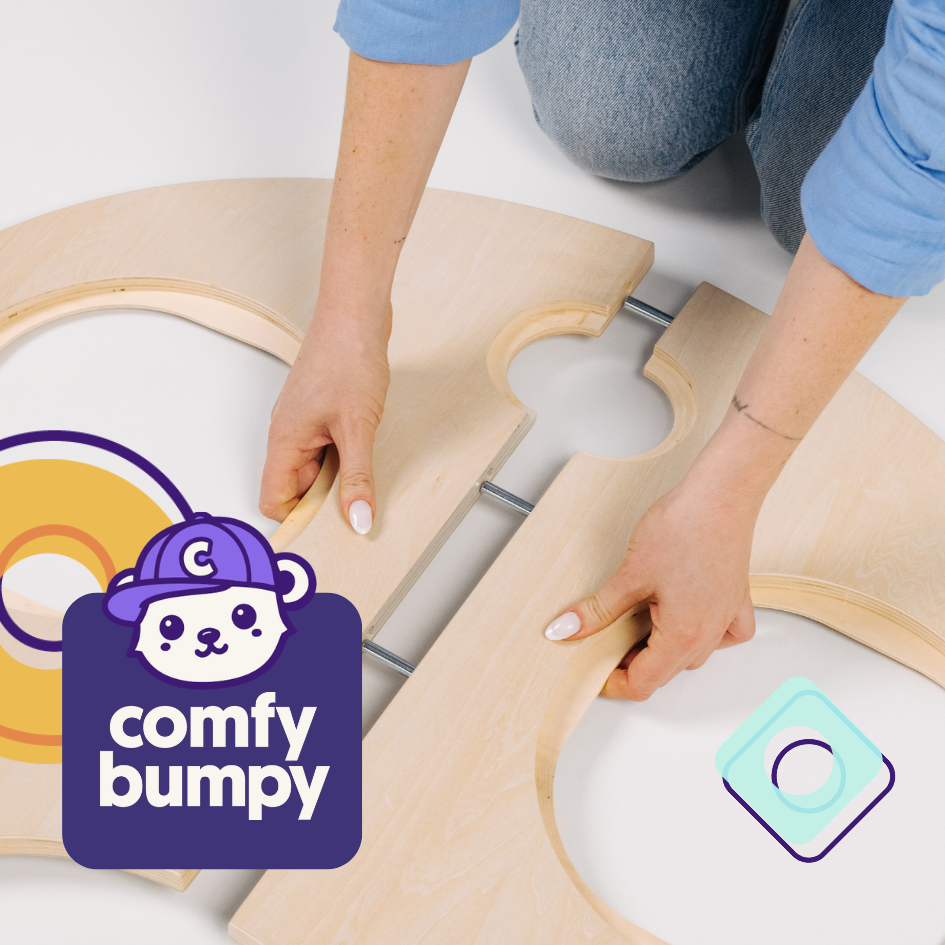
Ready to set up a proper sensory play space at home? The ComfyBumpy
Sensory Table is designed exactly for this — with built-in bins, a
child-friendly height, and a solid pine wood surface that makes
sensory play easy to set up, contain, and enjoy every day.

Leave a comment